


Get Quote


Battery Technology Trends Shaping the Future of NEVs
Amid global carbon reduction initiatives and the transition toward sustainable mobility, the new energy vehicle (NEV) industry has shifted from policy-driven growth to market-driven development. Battery technology has become a core factor influencing vehicle range, safety, charging efficiency, cost, and overall performance.
As lithium-ion batteries continue to evolve and emerging technologies such as solid-state and sodium-ion batteries advance, the industry is entering a new stage of development. In 2026, key trends including ultra-fast charging, next-generation battery chemistries, and improved safety and efficiency are continuing to shape the future of electric mobility.
1. The Strategic Importance of Battery Technology
1.1 Battery Technology: The Core Competitive Advantage of EVs
The fundamental difference between electric vehicles and traditional internal combustion vehicles lies in their power source. Battery technology determines driving range, acceleration, charging speed, operational safety, and vehicle lifespan, making it the foundation of EV competitiveness.
As consumer demand shifts from “whether to buy an EV” to “which EV performs better,” concerns such as range anxiety, charging convenience, and battery safety have become key decision-making factors. As a result, battery innovation has become one of the most critical battlegrounds in the global automotive industry.
Today, the pace of battery development directly influences automakers’ market competitiveness and long-term positioning.
1.2 Battery Technology: A Key Driver of Cost Reduction
Battery systems account for approximately 30–40% of total EV manufacturing costs, making them the single most important factor affecting vehicle pricing.
Continuous improvements in battery materials, chemistry optimization, and manufacturing processes have significantly reduced battery costs over the past few years. Lower battery costs are narrowing the price gap between EVs and traditional gasoline vehicles, accelerating mass-market adoption worldwide.
High-performance, cost-efficient battery technologies not only reduce production expenses for automakers but also improve product affordability and market accessibility.
1.3 Battery Technology: Supporting Global Sustainability Goals
Battery technology also plays a crucial role in achieving global carbon reduction targets. Efficient batteries improve energy utilization and reduce overall electricity consumption, while environmentally friendly battery materials and recycling systems help minimize lifecycle emissions.
At the same time, advances in battery recycling technologies are improving the recovery rates of valuable materials such as lithium, nickel, and cobalt, reducing dependence on virgin resources and supporting a more sustainable supply chain.
2. Key Battery Performance Indicators
Battery competitiveness is primarily measured by three core metrics: energy density, cycle life, and fast-charging capability.
2.1 Energy Density: The Foundation of Driving Range
Energy density determines how much energy a battery can store relative to its weight or volume, directly impacting vehicle range.
Current mainstream ternary lithium batteries typically achieve energy densities of 250–300Wh/kg, while advanced high-nickel systems can exceed 300Wh/kg. Meanwhile, lithium iron phosphate (LFP) batteries have significantly improved through structural innovations such as blade battery designs and cell-to-pack technologies.
Although industry-wide energy density continues to rise, the commercial market has not yet surpassed the practical threshold of 350Wh/kg at large scale. Higher energy density remains one of the most important goals for future battery development.
2.2 Cycle Life: Reducing Long-Term Ownership Costs
Cycle life refers to the number of charge-discharge cycles a battery can complete before its capacity falls to 80% of its original level.
Longer cycle life reduces replacement frequency, lowers maintenance costs, and improves vehicle residual value. Current mainstream LFP batteries can achieve 2,000–3,500 cycles, while ternary lithium batteries generally deliver 1,500–2,000 cycles.
Advanced battery management systems (BMS) further improve cycle stability by optimizing charging and thermal control strategies.
2.3 Fast Charging: Solving Charging Anxiety
Fast-charging capability has become one of the most important breakthroughs in improving EV user experience.
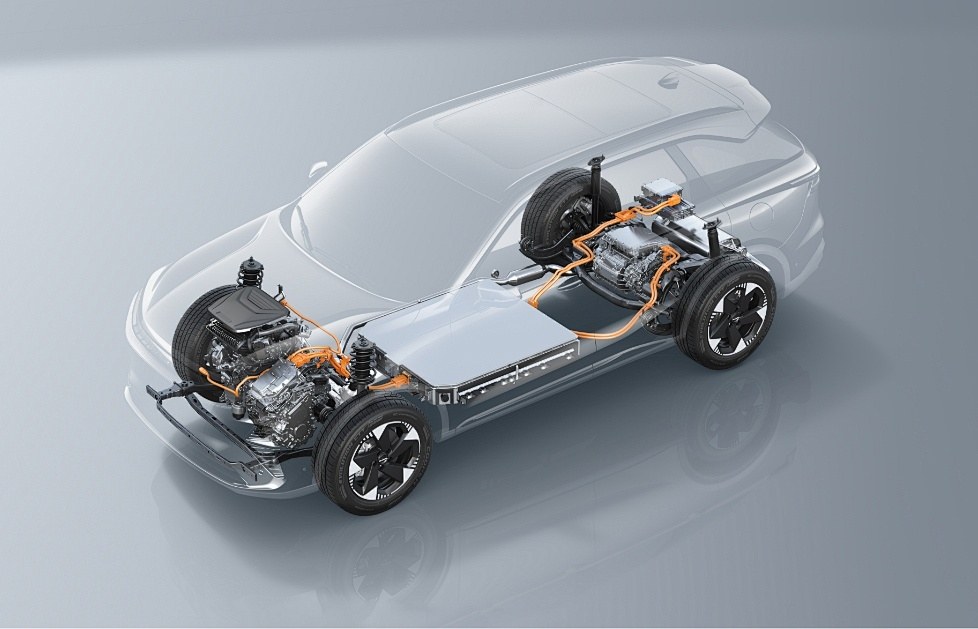
The latest 800V high-voltage platforms now support ultra-fast charging power levels of 480–600kW. Some next-generation batteries can deliver approximately 200km of range in just five minutes of charging under optimal conditions.
Modern fast-charging technologies increasingly balance charging speed with battery longevity by improving thermal management, material stability, and intelligent charging algorithms.
3. Mainstream Battery Technologies and Market Landscape
3.1 Lithium-Ion Batteries Remain Dominant
Lithium-ion batteries continue to dominate the global EV market, accounting for more than 99% of current NEV battery installations. The two primary technologies are:
- Ternary lithium batteries (NCM/NCA)
- Lithium iron phosphate (LFP) batteries
Emerging technologies such as sodium-ion batteries, solid-state batteries, and hydrogen fuel cells are also gaining attention, although their current market share remains limited.
3.2 Ternary Lithium Batteries: High Energy Density Solutions
Ternary lithium batteries use nickel, cobalt, and manganese (NCM) or nickel, cobalt, and aluminum (NCA) cathode materials.
Their biggest advantage is high energy density, enabling long-range driving performance for premium EVs. Current development trends focus on:
- High-nickel chemistries
- Reduced cobalt dependency
- Silicon-carbon anodes
- Improved thermal safety
These batteries remain the preferred solution for high-performance passenger EVs.
3.3 LFP Batteries: Safety and Cost Efficiency
LFP batteries have become increasingly popular due to their outstanding thermal stability, long cycle life, and lower material costs.
Compared with ternary lithium batteries, LFP systems offer:
- Higher safety
- Longer lifespan
- Better cost stability
- Reduced dependence on rare metals
Through innovations such as blade battery structures and cell-to-pack integration, LFP technology has significantly improved energy density while maintaining excellent safety performance.
As a result, LFP batteries are now widely used across passenger EVs, commercial vehicles, and energy storage systems.
4. Global Automakers’ Battery Technology Strategies
4.1 Tesla: Leading Through Continuous Innovation
Tesla continues to prioritize high-energy-density battery systems and advanced battery management technologies.
The company is actively developing 4680 cylindrical battery cells designed to improve structural efficiency, thermal performance, and manufacturing scalability. Combined with high-voltage architectures, Tesla aims to further extend vehicle range while reducing production costs.
4.2 BMW: Diversified Technology Roadmap
BMW’s EV strategy focuses primarily on high-performance ternary lithium batteries for premium vehicles while simultaneously investing in:
- Large cylindrical cells
- Structural battery integration
- Hydrogen fuel cells
- Next-generation solid-state batteries
The company aims to build a diversified energy technology ecosystem for long-term competitiveness.
4.3 BYD: Building Competitive Strength Through In-House Innovation
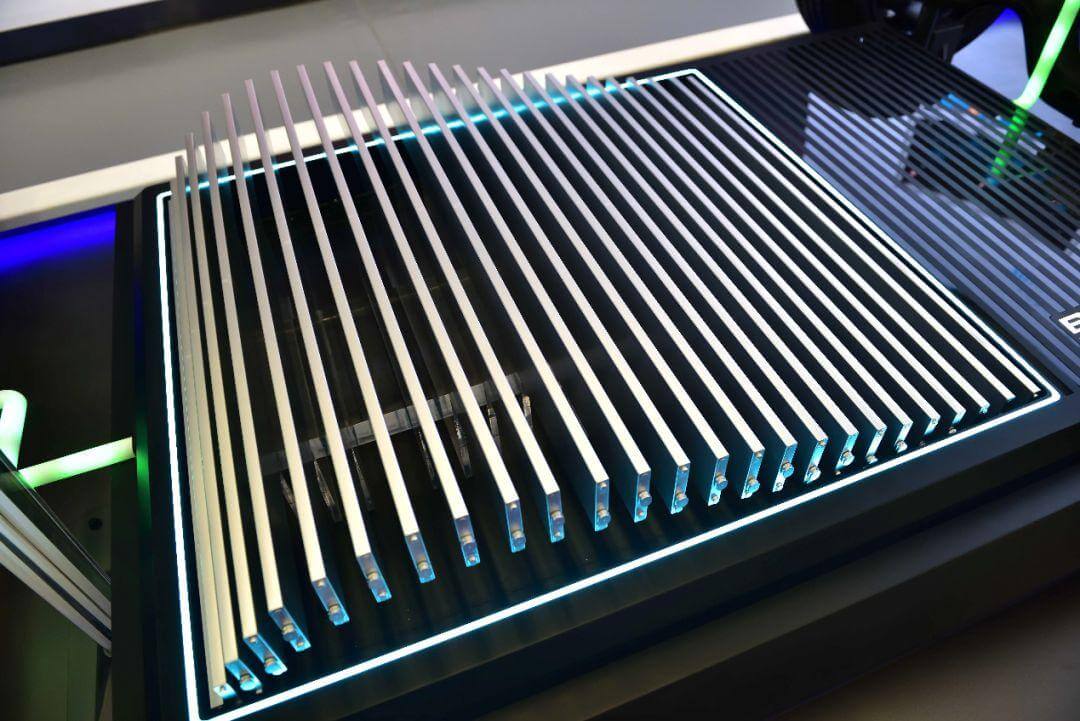
BYD has established a strong technological advantage through its proprietary Blade Battery platform based on LFP chemistry.
The blade structure improves:
- Space utilization
- Thermal dissipation
- Structural rigidity
- Overall battery safety
BYD is also accelerating development of next-generation fast-charging systems and solid-state battery technologies to further strengthen its market position.
5. Key Challenges Facing Battery Technology
Despite rapid advancements, several major technical challenges remain.
5.1 Energy Density Limitations
Current lithium-ion materials are approaching their theoretical performance limits. Further increases in energy density require breakthroughs in:
- Cathode materials
- Anode technologies
- Electrolytes
- Structural engineering
At the same time, higher energy density often increases thermal safety risks, making performance balancing increasingly complex.
5.2 Low-Temperature Performance
Cold weather remains a major challenge for EV batteries.
At sub-zero temperatures, lithium-ion mobility decreases significantly, causing:
- Reduced range
- Slower charging
- Increased internal resistance
- Faster capacity degradation
Although thermal management systems continue to improve, extreme cold conditions still present operational limitations.
5.3 Safety and Thermal Management
Battery thermal runaway remains one of the industry’s biggest safety concerns.
Manufacturers are continuously improving:
- Thermal insulation materials
- Cooling systems
- Fire-resistant electrolytes
- Structural protection designs
At the regulatory level, new battery safety standards are becoming increasingly stringent, especially regarding thermal propagation and fast-charging safety requirements.
5.4 Raw Material Supply Pressure
The rapid growth of the EV industry continues to increase demand for lithium, nickel, and cobalt.
Challenges include:
- Resource concentration
- Supply chain dependency
- Price volatility
- Environmental impacts of mining
As a result, battery recycling and alternative chemistries such as sodium-ion batteries are becoming strategically important.
6. Future Battery Technology Trends
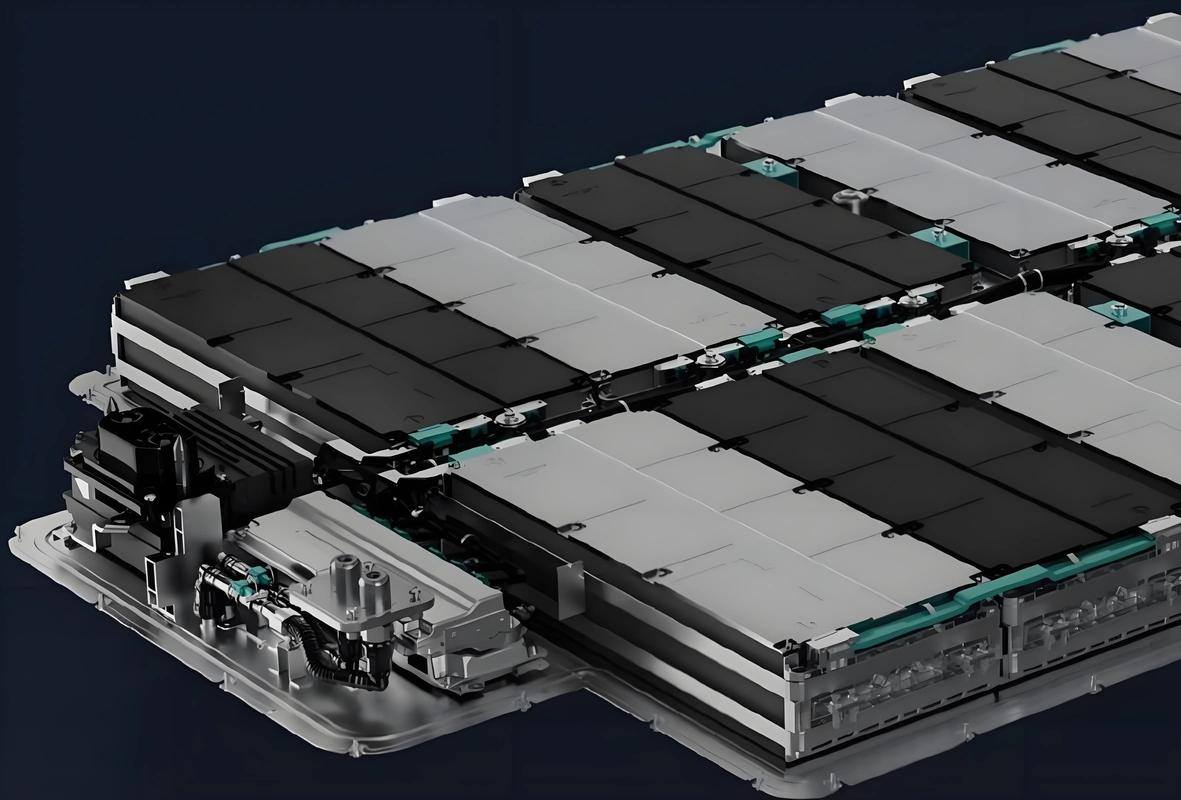
6.1 Solid-State Batteries: The Next Major Breakthrough
Solid-state batteries are widely regarded as the future of EV energy storage.
By replacing liquid electrolytes with solid materials, they offer:
- Higher energy density
- Improved safety
- Faster charging
- Longer lifespan
Although solid-state batteries are entering early-stage commercialization, large-scale adoption will still require significant cost reductions and manufacturing breakthroughs over the coming years.
6.2 Sodium-Ion Batteries: A Cost-Effective Alternative
Sodium-ion batteries are emerging as a promising low-cost solution due to the abundance and affordability of sodium resources.
Key advantages include:
- Lower raw material costs
- Excellent low-temperature performance
- Improved supply chain security
- Strong safety characteristics
While energy density currently remains below lithium-ion levels, sodium-ion batteries are expected to gain traction in:
- Entry-level EVs
- Two-wheel vehicles
- Large-scale energy storage
6.3 Advanced Battery Materials
Future battery material innovation will focus on:
-
Silicon-carbon anodes
-
High-nickel cathodes
-
Manganese-rich materials
-
Cobalt-free chemistries
-
Fire-resistant electrolytes
These technologies aim to improve both performance and sustainability.
6.4 Intelligent Battery Management Systems (BMS)
Next-generation BMS platforms are becoming increasingly intelligent through AI-driven optimization and real-time monitoring.
Advanced BMS technologies can:
- Monitor every individual cell
- Predict battery degradation
- Optimize charging strategies
- Improve safety and lifespan
- Enable smarter energy management
Future systems will further integrate with vehicles, charging infrastructure, and cloud platforms to create a fully connected energy ecosystem.
7. Conclusion and Outlook
Battery technology remains the driving force behind the global transition toward sustainable transportation and carbon neutrality.
Today, ternary lithium and LFP batteries continue to dominate the market, while fast charging, thermal safety, and cost efficiency continue to improve rapidly. At the same time, emerging technologies such as solid-state batteries and sodium-ion batteries are accelerating the industry’s transition into a new phase of technological innovation.
Looking ahead, battery technology will continue evolving toward:
- Higher energy density
- Greater safety
- Lower costs
- Faster charging
- Greener manufacturing
- Smarter energy management
However, it is important to recognize that battery innovation is a long-term process. Solid-state batteries still require time before achieving mass commercialization, while sodium-ion technologies continue improving in performance and scalability.